
Most solar lights that "don't work" are fine. They are usually not charging properly, or something is telling their sensor that it is still daytime. Go through these checks in order. Most problems are fixed in two minutes.
1. Pull out the battery tab (new lights)
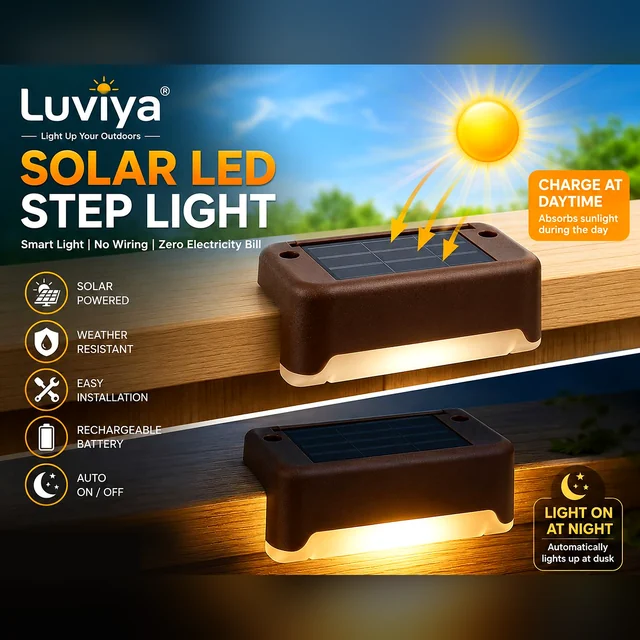
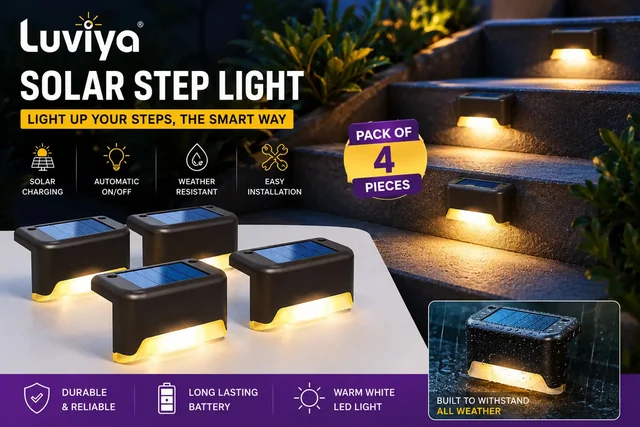
Many solar lights ship with a small plastic tab between the battery and its contact, so the battery doesn't drain in the box. Our solar step lights have one. Pull it out completely before the first use.
2. Check the power button and mode
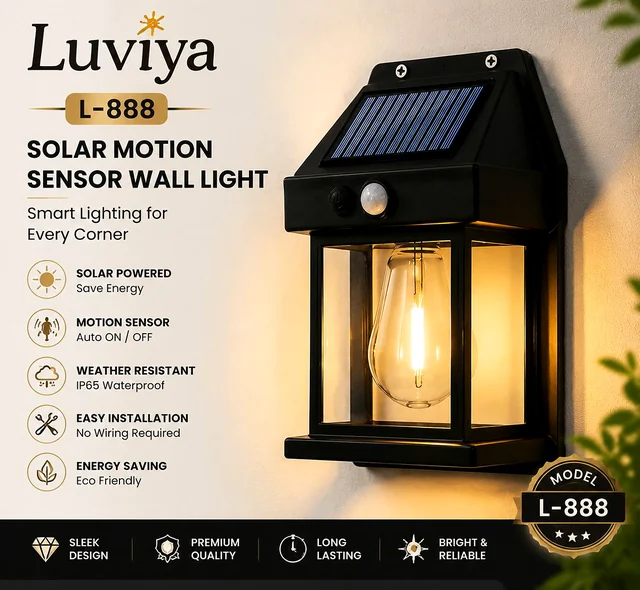
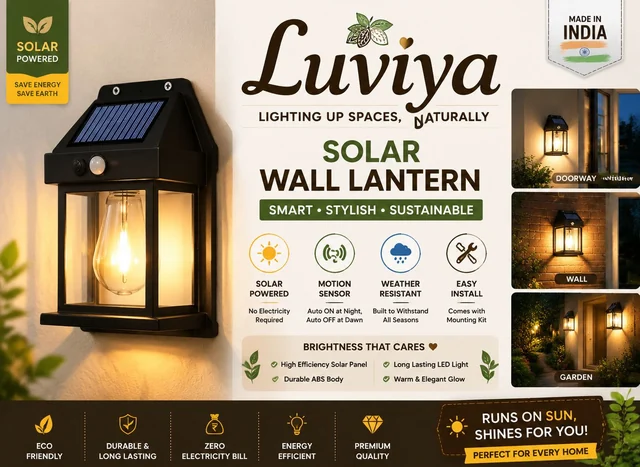
Lights with a switch, like the L-888 solar wall lantern, must be switched on. Press the button once and cover the panel with your hand: the light should come on within a few seconds. Each press changes the mode, so if it only lights up when someone walks by, it is probably in motion-sensor mode, which is normal.
3. Give it one full sunny day
A new or long-stored light needs a full day of direct sun before it can last the night. Leave it switched on in open sun for a day, then test it after dark.
4. Move the panel into direct sunlight
This is the most common problem. The panel needs direct sun for about 4 to 6 hours a day. Under a balcony slab, a tree or the shady side of a wall, it charges very little, so the light is dim or switches off early. Fix it where the panel sees open sky, ideally facing south.
5. Keep other lights away from the panel at night
Solar lights switch on when their sensor sees darkness. A porch light, street lamp or decorative lights shining on the panel make it "think" it is still day, so it never switches on. Turn the panel away from the light or move it a little.
6. Clean the panel
Dust, bird droppings and city grime can cut charging a lot. Wipe the panel with a soft damp cloth every few weeks. No soap or scrubbing pads.
7. Expect less light on cloudy and monsoon days
On grey days the panel collects much less energy, so run time is shorter. That is normal. After one or two sunny days it returns to full run time. In motion-sensor mode, a lantern saves battery and lasts longer through cloudy spells.
8. Test it properly
Testing indoors under a tube light or in a dark room right after unboxing doesn't show the real result. Charge it outdoors for a day, then check it outside after sunset.
9. Check the battery after a year or two
Rechargeable batteries slowly lose capacity. If an older light charges well but only lasts an hour or two, the battery may be worn out. Many solar lights use standard rechargeable cells that can be replaced.
Still not working?
If you bought from us and the light arrived damaged or doesn't work after these checks, message us on WhatsApp within 3 days of delivery with your order number and a short video. We'll arrange a replacement or refund under our damage cover.
Questions people ask
Why is my new solar light not turning on?
Check for a plastic battery tab and pull it out, make sure the power button is on, then give it a full day of direct sun. Test it outdoors after sunset, away from porch lights or street lamps.
Why does my solar light switch off after a few hours?
Usually it is not getting enough direct sun. Move the panel where it gets 4 to 6 hours of sunlight, clean it, and use motion-sensor mode on cloudy days to save battery.
Why is my solar light dim?
A dim light usually means a low battery from too little sun, a dirty panel, or a dim mode. Clean the panel, give it a sunny day and check the mode button.
Do solar lights work in winter and the monsoon?
Yes, but they charge less on short or cloudy days, so they may run for fewer hours. Full run time comes back after sunny days.